The Australian gambling market is regulated by the Australian Communications and Media Authority (ACMA) and state licensing bodies. These regulators require operators to embed responsible‑play measures into every product, especially those targeting low‑deposit users. Failing to comply can result in fines exceeding AUD 500,000 and the loss of a licence. This legal pressure translates into practical tools that protect players while still allowing them to enjoy the excitement of a spin or a hand.
Research from the Australian Institute of Family Studies shows that players who start with low deposits are 23 % more likely to develop a habit of frequent gambling within the first six months. Early intervention, therefore, is not just a moral choice; it is a statistically proven method to reduce long‑term harm. By setting clear limits and offering self‑exclusion pathways, casinos create a safer environment that benefits both the player and the industry.
Integrating the legal obligations for operators regarding responsible play as described in the low‑deposit casino legal guide for Australia helps players understand why these measures exist. When players see that the restrictions are part of a regulated framework, they are more likely to respect them and stay within a healthy gaming routine.
Setting Deposit & Loss Limits

Most reputable low‑deposit platforms allow users to define daily, weekly, and monthly caps on how much they can spend. For example, Bet365 lets players set a monthly deposit limit as low as AUD 50, while Fair Go offers a weekly loss limit of AUD 30. These limits are enforceable in real time, meaning the account will be blocked from further wagering once the threshold is reached.
Below is a comparison of limit‑setting features among the most popular Australian low‑deposit casinos:
| Casino | Minimum Deposit | Deposit Limit (Monthly) | Loss Limit (Weekly) | Self‑Exclusion Access | Current Bonus Offer |
|---|---|---|---|---|---|
| Bet365 | AUD 5 | AUD 50‑5,000 | AUD 20‑2,000 | 24/7viaaccounthub | 100% up to AUD 300 |
| 888casino | AUD 10 | AUD 30‑3,000 | AUD 15‑1,500 | Two‑step verification | 150% up to AUD 400 |
| PlayAmo | AUD 5 | AUD 25‑2,500 | AUD 10‑1,000 | Instant toggle | 200% up to AUD 500 |
| Jackpot City | AUD 5 | AUD 40‑4,000 | AUD 20‑2,500 | Email request | 100% up to AUD 350 |
| Fair Go | AUD 1 | AUD 10‑1,000 | AUD 5‑500 | Mobile app button | 120% up to AUD 250 |
| Unibet | AUD 5 | AUD 30‑3,500 | AUD 15‑1,800 | 24/7chatsupport | 100% up to AUD 300 |
| Sportsbet | AUD 5 | AUD 20‑2,200 | AUD 10‑1,200 | In‑app feature | 150% up to AUD 350 |
The table illustrates that limits can be tailored to very small budgets, which is essential for players who prefer low‑deposit experiences. Operators also provide a reset button that allows users to adjust or remove limits after a cooling‑off period of 48 hours. This flexibility ensures that limits are not a permanent barrier but a tool for responsible budgeting.
When setting limits, players should consider their overall financial picture. A good rule of thumb is to allocate no more than 5 % of disposable income to gambling activities. By calculating a realistic budget before logging in, the risk of chasing losses is drastically reduced. Many casinos now feature a budget calculator on the deposit page, helping users to input their monthly income and receive a recommended limit suggestion.
For those who enjoy the occasional big win, the top low‑deposit casinos 2026 list highlights sites that blend generous promotions with robust limit controls. Choosing a platform that openly displays its responsible‑play policies makes it easier to stay within personal boundaries.
Self‑Exclusion Tools and How to Use Them

Self‑exclusion is the most decisive safeguard for anyone who feels their gambling is becoming problematic. In Australia, the Self‑Exclusion Scheme (SES) is administered by each state’s regulator, allowing players to block access to all licensed gambling sites for a set period. Most low‑deposit operators have integrated this national scheme directly into their user dashboards.
Bet365 offers an instant self‑exclusion toggle that activates a 30‑day block with a single click. 888casino requires a short verification step but provides the option to extend the block to six months or even a permanent ban. The process is similar across the board:
- Log into the casino account.
- Navigate to the “Responsible Play” or “Account Settings” section.
- Select the desired self‑exclusion duration.
- Confirm the choice with a security code sent to the registered email or phone.
Once activated, the player’s login credentials are disabled across all platforms that participate in the SES. This means even if a user tries to register a new account at a different operator, the system will flag the exclusion and prevent access. The Australian Communications and Media Authority monitors compliance and can impose penalties of up to AUD 250,000 for breaches.
For temporary relief, many sites also offer a cool‑off period that lasts from 24 hours to a week. During a cool‑off, the player can still log in but cannot place bets or withdraw funds. This feature is useful for individuals who simply need a short break to regain perspective.
It is important to note that self‑exclusion does not affect existing bonuses. Players who have active free‑spin offers or deposit matches can still claim them after the exclusion ends, provided they meet the usual wagering requirements. However, some operators, such as Fair Go, automatically suspend pending bonuses while the account remains blocked, preventing any accidental misuse.
If a player wishes to lift a self‑exclusion early, a formal appeal must be submitted to the relevant state regulator. The appeal process typically involves a brief counseling session and a reassessment of the player’s gambling behaviour. This safeguard ensures that the decision to return to gambling is made responsibly and not under pressure.
Recognising Problem Gambling Signs
Early detection of gambling‑related issues is crucial for preventing long‑term harm. Australian health agencies list several behavioural and financial indicators that suggest a player may be heading toward a problem.
Behavioural signs
- Increasing time spent on casino sites despite other commitments.
- Preoccupation with upcoming bets or replaying past sessions.
- Mood swings that correlate with wins or losses.
- Defensive or secretive attitudes when discussing gambling activities.
- Frequent attempts to hide deposits or withdrawals.
Financial signs
- Using credit cards or personal loans to fund gambling.
- Borrowing money from friends or family without clear repayment plans.
- Unexpected depletion of savings or emergency funds.
- Declining ability to pay routine bills on time.
- Accumulating multiple gambling debts across different platforms.
These signs often appear gradually, making them easy to overlook. Operators such as PlayAmo and Jackpot City employ real‑time monitoring algorithms that flag unusual betting patterns, such as rapid stake increases or a sudden surge in high‑risk games. When a pattern is detected, the system sends a gentle reminder to the player, encouraging them to review their activity.
In addition to tech‑driven alerts, many casinos provide self‑assessment questionnaires based on the Problem Gambling Severity Index (PGSI). By answering a short set of ten questions, players can receive an instant score that categorises their risk level as low, moderate, or high. This tool is free and confidential, and the results are stored securely within the user’s account.
If a player identifies with several of the above indicators, it is advisable to seek professional support immediately. Australian support services are listed in the next section, offering confidential help for anyone who feels gambling is affecting their well‑being.
Australian Support Services and Helplines
Australia has a well‑established network of organisations dedicated to assisting people with gambling concerns. These services are government‑funded, free, and operate 24 hours a day in most cases.
- Gambling Help Australia – National hotline 1800 858 858. The service provides counselling, online chat, and links to local treatment providers. Callers can also request a voluntary exclusion from all Australian‑licensed gambling sites.
- Lifeline – Confidential support at 13 11 14, available for any mental‑health crisis, including gambling‑related stress.
- Alcohol and Drug Foundation (ADF) – Offers a specialised gambling helpline 1800 888 888 for youth and families.
- Betting and Gaming Services (BGS) – Operates in New South Wales and offers a self‑exclusion scheme that covers both online and land‑based venues.
- Victorian Responsible Gambling – Provides the Victorian Gambling Helpline (1800 222 880) and a downloadable self‑exclusion form for all licensed operators.
These agencies work closely with the Australian Communications and Media Authority to ensure that operators fulfil their responsible‑play duties. For example, any player who contacts Gambling Help Australia and requests a self‑exclusion will see that request reflected across all participating casinos within 24 hours.
In addition to phone support, many organisations host online resource libraries containing articles, videos, and interactive tools. The Gambling Help Australia website includes a “Budget Planner” that assists users in tracking income, expenses, and gambling spend, promoting transparency and control.
If you or a loved one needs immediate assistance, do not hesitate to call any of the above numbers. The services are confidential, and seeking help is a sign of strength, not weakness.
Balancing Fun and Financial Safety
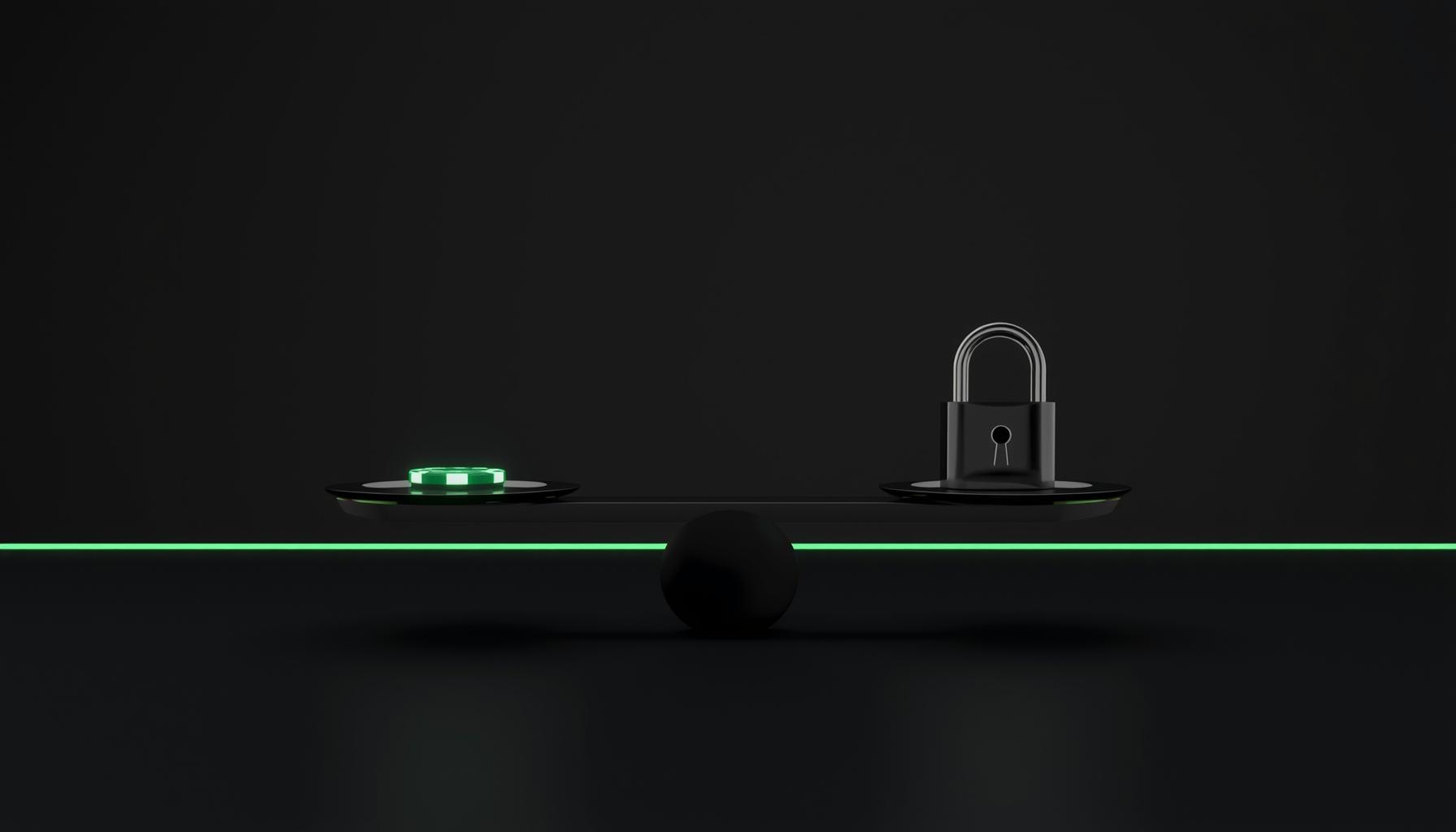
Playing at a low‑deposit casino should always feel like entertainment, not a financial obligation. The key is to maintain a clear separation between money set aside for gambling and funds needed for daily life. One practical approach is the “pocket money” method, where a small amount of cash—say AUD 20—is placed in a separate wallet each week and used solely for casino play. Once the cash is gone, the session ends, regardless of wins or losses.
Another strategy involves pre‑setting win and loss targets. For instance, a player might decide to stop after a 15 % profit or a 10 % loss on the weekly budget. This disciplined exit plan prevents the common tendency to chase losses, which statistically leads to larger deficits. Many Australian casinos support this habit by offering auto‑stop features that automatically halt betting when a defined loss threshold is reached.
The bonus landscape can also influence financial safety. While a 200 % welcome bonus sounds attractive, the associated wagering requirements may encourage extended play beyond the intended budget. Real‑world data from Unibet shows that players who chase a 30‑times wagering condition are 41 % more likely to exceed their deposit limit. Therefore, always read the terms and compare the bonus value to the required playthrough before claiming an offer.
Responsible‑play tools are most effective when they are combined with personal accountability. Keeping a gaming diary—a short log of each session’s duration, stake, and emotional state—helps players spot patterns that may signal trouble. Over time, the diary becomes a valuable reference for adjusting limits, choosing appropriate games, and recognising when a break is needed.
Finally, remember that the Australian gambling market is continuously evolving. Operators regularly update their responsible‑play policies to stay compliant with new regulations. By staying informed—through resources like the top low‑deposit casinos 2026 overview—players can choose platforms that prioritize safety while still delivering a high‑quality gaming experience.
Tips for Parents and Guardians

Parents and guardians play a critical role in protecting young people from the risks associated with online gambling. Although Australian law prohibits anyone under 18 years from opening a gambling account, savvy teenagers may still attempt to circumvent age checks. Here are practical steps adults can take:
- Monitor Internet Usage – Install parental‑control software that flags visits to known gambling domains such as bet365.com.au, 888casino.com, or sportsbet.com.au.
- Secure Payment Methods – Use prepaid cards or set strict spending limits on debit cards linked to the family account. This reduces the chance that a child can fund an illegal gambling account.
- Educate About Risks – Discuss the difference between entertainment and addiction, highlighting real stories of Australian players who faced financial hardship.
- Encourage Open Dialogue – Create a safe environment where teens feel comfortable reporting any suspicious offers or messages they receive.
- Check Credit Reports – Periodically review credit activity for unauthorized gambling‑related charges.
- Use Self‑Exclusion Registries – If you suspect a child is attempting to gamble, you can lodge a complaint with the state regulator’s self‑exclusion database, preventing future account creation.
- Promote Alternative Hobbies – Encourage participation in sports, arts, or community groups that provide the same adrenaline rush without monetary risk.
In addition to these steps, parents should be aware of the financial incentives used by low‑deposit casinos to attract younger audiences, such as free‑spin giveaways and limited‑time promotions. By understanding how these offers work, guardians can better explain why they may be misleading.
If a concern arises, contact the Australian Gambling Helpline (1800 858 858) for advice on how to proceed. The service offers guidance specifically for families dealing with potential under‑age gambling issues.
By combining vigilance, education, and the use of responsible‑play tools provided by reputable Australian operators, families can enjoy the excitement of gaming while keeping financial and emotional health firmly protected.